Mozambique Travel Guide – Entry Requirements and What to Know Before You Go
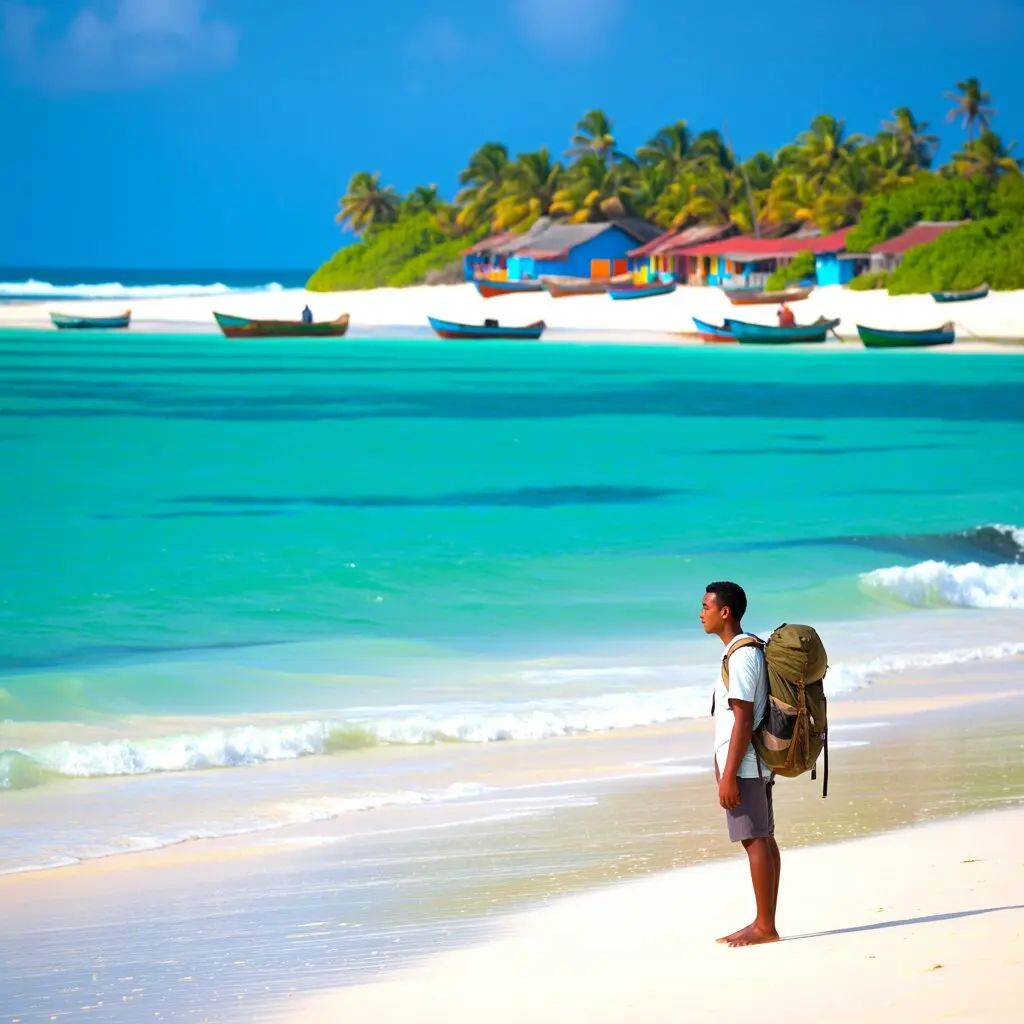
Mozambique stretches over 2,500 kilometres along the Indian Ocean coast of southeastern Africa, offering pristine beaches, vibrant coral reefs, rich marine life, and a fascinating blend of African, Portuguese, and Arab cultures. From the luxury island resorts of the Bazaruto Archipelago to the bustling markets of Maputo, from the whale sharks of Tofo Beach to the historic streets of Ilha de Moçambique, this is a country of extraordinary diversity and beauty.
Before you pack your bags, here is everything you need to know about entry requirements, health precautions, customs rules, currency, transport, and practical travel tips for visiting Mozambique.
Entry Requirements
Visa
All travellers from non-exempt countries need a visa to enter Mozambique. The recommended and primary method is the online eVisa, applied for at evisa.gov.mz before departure. Standard processing takes 10-15 working days, with express processing available for 7-10 working days.
The eVisa system was launched on 11 February 2026 by the Serviço Nacional de Migração and has replaced the older visa on arrival process. Applying online ensures certainty of approval, faster immigration processing at the border, and compliance with airline boarding requirements.
See our complete eVisa guide for full details on visa types, requirements, and the application process.
Passport
Your passport must meet these requirements for entry into Mozambique:
- Valid for at least 6 months beyond your intended departure date from Mozambique
- At least 2 blank pages for entry and exit stamps
- In good physical condition — no torn pages, water damage, or illegible text
- The name on your passport must match your eVisa exactly
Arrival Process
- Immigration counter — present your passport and printed eVisa to the immigration officer
- Biometric data — fingerprints and a photograph may be captured as part of the entry process
- Entry stamp — your passport is stamped with the date of entry and permitted duration of stay. Check that the dates are correct before leaving the counter
- Baggage claim — collect your luggage from the carousel
- Customs — proceed through the customs checkpoint. Declare items as required and have your customs form ready if applicable
Most travellers with a pre-approved eVisa clear immigration within 5-10 minutes. Peak arrival times (late afternoon and evening when multiple flights land) may see slightly longer waits.
Health Requirements
Yellow Fever
A yellow fever vaccination certificate is required if you are arriving from a country with risk of yellow fever transmission. This does not apply to travellers coming directly from the US, UK, or most EU countries. However, if your itinerary includes a layover or stopover in a yellow fever endemic country (such as Kenya, Ethiopia, Tanzania, or Brazil), you will need to show a valid yellow fever certificate at immigration.
The yellow fever vaccination must be administered at least 10 days before travel. The certificate is valid for life following a single dose (as per WHO guidelines updated in 2016).
Malaria
Mozambique is a malaria-endemic country throughout its territory. All travellers should take precautions:
- Antimalarial medication — consult your doctor or travel health clinic 4-6 weeks before departure to get a prescription. Common options include Malarone (atovaquone-proguanil), doxycycline, and mefloquine.
- Insect repellent — use repellent containing DEET (30-50%) on exposed skin, especially during evening and nighttime hours.
- Mosquito nets — sleep under insecticide-treated nets where provided. Most hotels and lodges in malaria zones provide nets.
- Protective clothing — wear long sleeves and trousers during dusk and dawn when mosquitoes are most active.
Recommended Vaccinations
Consult your travel health clinic at least 6-8 weeks before departure. Recommended vaccinations for Mozambique include:
- Hepatitis A — strongly recommended for all travellers
- Hepatitis B — recommended for longer stays or potential exposure to bodily fluids
- Typhoid — recommended, especially if visiting rural areas or eating street food
- Tetanus and diphtheria — ensure your booster is up to date (within 10 years)
- Rabies — recommended if visiting rural areas, planning outdoor activities, or having contact with animals
- Cholera — check current outbreak status. May be recommended for certain regions
COVID-19
Check the latest COVID-19 requirements before travelling. Requirements may change frequently and can include vaccination proof, testing, or quarantine measures. Verify with your airline and the Mozambique immigration authorities close to your departure date.
Customs Rules
What to Declare
You must declare the following items at customs:
- Large amounts of cash — amounts over US$5,000 (or equivalent in other currencies) must be declared
- Goods intended for commercial purposes or resale
- Firearms and ammunition — require a valid permit obtained in advance
- Endangered species products — prohibited under CITES regulations (ivory, certain animal skins, coral)
- Medications — carry a doctor’s prescription for any prescription medications
Duty-Free Allowances
Travellers entering Mozambique may bring the following items duty-free for personal use:
- 200 cigarettes, or 50 cigars, or 250 grams of tobacco
- 1 litre of spirits and 2 litres of wine
- Reasonable amount of perfume for personal use
- Personal electronics, clothing, and belongings for the duration of your stay
Prohibited Items
The following items are prohibited and will be confiscated:
- Illegal drugs and narcotics
- Pornographic material
- Weapons without a valid permit
- Counterfeit goods
- Products from endangered species
Currency and Money
- Local currency: Mozambican Metical (MZN). Notes come in denominations of 20, 50, 100, 200, 500, and 1,000 meticais.
- US Dollars are widely accepted at tourist establishments, hotels, and dive centres. Carry clean, newer notes (post-2006) as older or damaged bills may be refused.
- South African Rand is also accepted in some areas, particularly near the South African border.
- Credit cards: Visa and Mastercard are accepted at major hotels, restaurants, and shops in Maputo and popular tourist areas. Many smaller establishments are cash-only.
- ATMs: Available in cities and larger towns. Not all ATMs accept international cards. Standard Bank and BCI ATMs are generally the most reliable for foreign cards.
- Cash: Always carry USD or MZN for rural areas, local markets, small guesthouses, and transport. Do not rely solely on cards.
- Exchange: Banks and authorised exchange bureaus offer the best rates. Avoid street money changers.
Getting Around Mozambique
International Airports
Main airports with international connections:
- Maputo International Airport (MPM) — the main gateway, serving most international flights from Johannesburg, Addis Ababa, Doha, Istanbul, and Lisbon
- Beira Airport (BEW) — central Mozambique, some regional flights
- Vilankulo Airport (VNX) — gateway to the Bazaruto Archipelago, some charter and regional flights
- Nampula Airport (APL) — northern Mozambique, access point for Ilha de Moçambique
- Pemba Airport (POL) — far northern Mozambique, gateway to the Quirimbas Archipelago
Domestic Travel
- Domestic flights — LAM Mozambique Airlines connects major cities. Flights can be booked online or at airport offices. Schedules can be irregular — confirm flights in advance.
- Chapas (minibuses) — the most common and affordable form of local transport. They run between cities and towns but can be crowded and uncomfortable. Good for short distances and experiencing local life.
- Taxis — available in Maputo and larger cities. Agree on the fare before starting your journey. Hotel-arranged transfers are the safest option.
- Car hire — available in Maputo and major tourist areas. A 4WD is recommended for rural areas, especially during the rainy season (November-April) when roads can become impassable.
- Ferries — services connect some coastal towns and islands. The ferry to Ilha de Moçambique runs regularly from the mainland.
Best Time to Visit
| Season | Months | Conditions | Best For |
|---|---|---|---|
| Dry season (cool) | May – October | Cool temperatures, little rain, clear skies | Beaches, diving, wildlife viewing, general travel |
| Wet season (hot) | November – April | Hot, humid, afternoon thunderstorms, cyclone risk (Jan-Mar) | Budget travel (lower prices), whale shark season |
| Whale shark season | October – March | Warm water, plankton blooms | Swimming with whale sharks at Tofo Beach |
| Humpback whale season | July – November | Whales migrate along the coast | Whale watching from shore or boat |
| Turtle nesting | November – March | Sea turtles lay eggs on beaches | Turtle nesting tours (guided, responsible) |
The dry season (May-October) is generally considered the best time to visit for beaches, diving, and wildlife. The wet season brings lush green landscapes and lower prices but also the risk of tropical cyclones, particularly from January to March.
Safety Tips
- General safety: Mozambique is generally safe for tourists who exercise normal precautions. Most visits are trouble-free.
- Night safety: Avoid walking alone at night in unfamiliar areas, especially in Maputo and other cities. Use hotel-arranged transport or registered taxis.
- Valuables: Keep valuables in your hotel safe. Do not wear expensive jewellery or display large amounts of cash in public.
- Petty crime: Pickpocketing and bag snatching can occur in crowded areas and markets. Be aware of your surroundings and keep belongings secure.
- Beach safety: Swim only at beaches with lifeguards or where locals swim. Strong currents and riptides are common along the Mozambican coast. Ask your hotel about safe swimming spots.
- Road safety: Road conditions vary widely. Major highways are generally passable, but rural roads can be poor, especially after rain. Drive cautiously and avoid driving at night outside cities.
- Northern provinces: Some areas in Cabo Delgado province in the far north may have travel restrictions due to security concerns. Check your government’s travel advisory for the latest information.
Language
Portuguese is the official language of Mozambique, a legacy of centuries of Portuguese colonial rule. In tourist areas, hotels, and with tour operators, English is commonly spoken. However, learning a few basic Portuguese phrases will be appreciated by locals and enhance your experience:
- Hello — Olá (oh-LAH)
- Thank you — Obrigado (if you are male) / Obrigada (if you are female)
- Please — Por favor
- Yes / No — Sim / Não
- How much? — Quanto custa?
- Goodbye — Adeus or Tchau
Several Bantu languages are also widely spoken, including Tsonga, Sena, and Makhuwa, particularly in rural areas outside Maputo.
Electricity and Connectivity
- Voltage: 220V, 50Hz. Plug types vary — South African type (round 3-pin) and European type (round 2-pin) are both common. Bring a universal adapter.
- Mobile networks: Vodacom Mozambique and Movitel are the main operators. Local SIM cards are affordable and available at the airport and in cities. Data coverage is good in urban areas but limited in rural regions.
- Wi-Fi: Available at most hotels, lodges, and restaurants in tourist areas. Speed and reliability vary.
Frequently Asked Questions
What is required to enter Mozambique?
You need a valid passport (6+ months validity), an approved eVisa (unless exempt), and may need a yellow fever certificate if arriving from an endemic country. Proof of accommodation and a return ticket are required for the visa application and recommended to carry during travel.
Do Americans need a visa to visit Mozambique?
Yes. US citizens must apply for an eVisa online before travelling. There is no visa-free entry for American passport holders. Apply at evisa.gov.mz at least 3-4 weeks before your trip.
What vaccinations are required for travel to Mozambique?
A yellow fever certificate is required only if arriving from an endemic country. Malaria prophylaxis is strongly recommended. Hepatitis A, typhoid, and tetanus vaccinations are advised. Consult your travel health clinic 6-8 weeks before departure.
Is Mozambique safe for tourists?
Mozambique is generally safe for tourists who exercise normal precautions. Avoid walking alone at night, keep valuables secure, and use registered taxis. Some northern provinces may have travel restrictions — check your government’s travel advisory.
What is the best time to visit Mozambique?
The dry season (May-October) is ideal for beaches, diving, and wildlife. The wet season (November-April) is hotter and more humid, with cyclone risk from January to March. Whale shark season runs October-March at Tofo Beach. Whale watching is best July-November.
Can I drink tap water in Mozambique?
Drink bottled or treated water. Tap water in major cities is generally treated but not always reliable, particularly outside Maputo. Bottled water is widely available and affordable.
What currency should I bring to Mozambique?
The local currency is the Mozambican Metical (MZN). US Dollars are accepted at many tourist establishments. Carry USD or MZN in cash for rural areas, markets, and small businesses. Credit cards work in major hotels and restaurants in cities.
Do I need a car to get around Mozambique?
Not necessarily. Domestic flights connect major cities, chapas (minibuses) run between towns, and taxis are available in urban areas. However, a 4WD is recommended if you plan to explore rural areas or national parks independently.